
Your Central Air Isn’t Dying Quietly — 9 Warning Signs It May Be Time for a Replacement
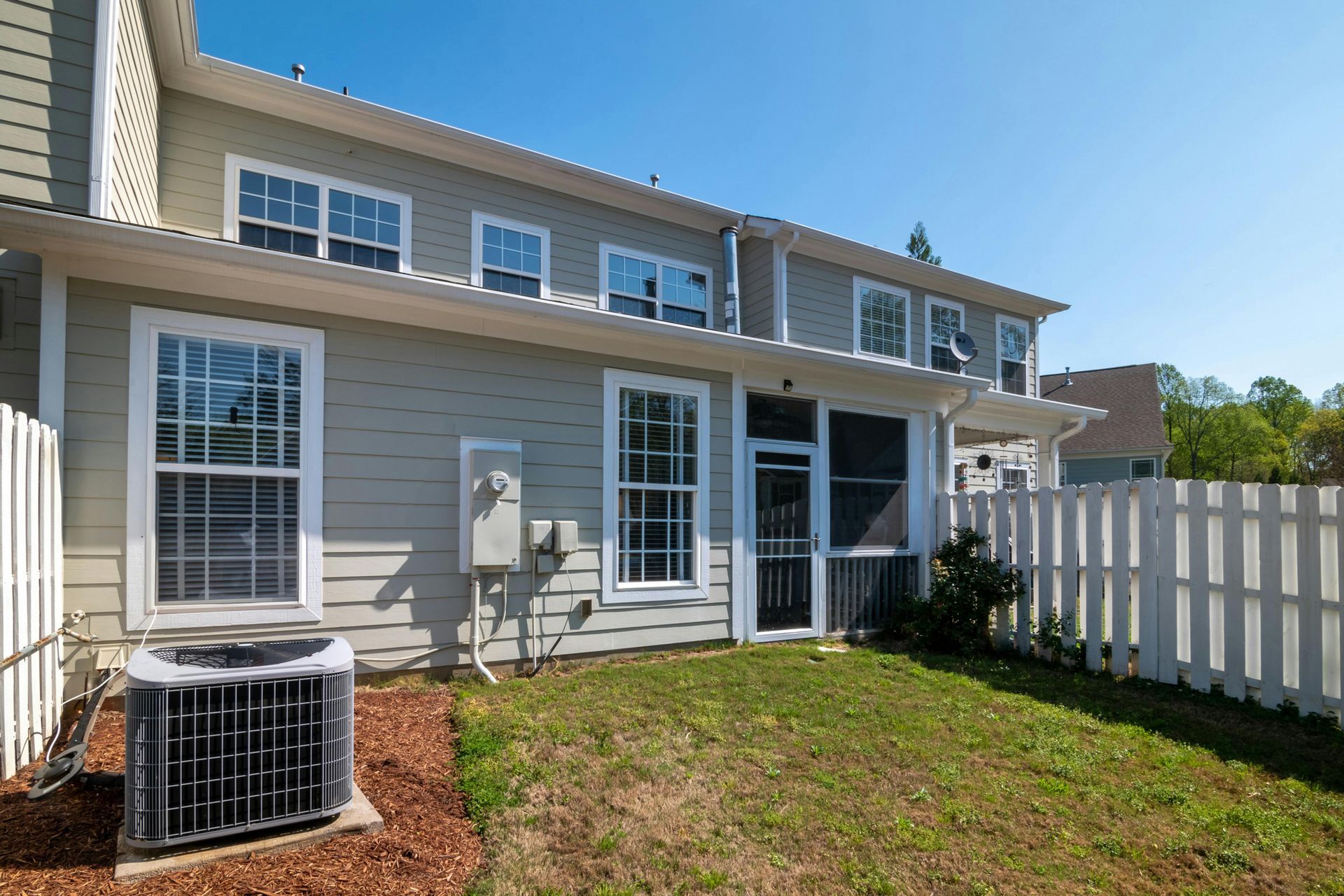
When your central air system starts struggling, it rarely stops working overnight. Most homeowners notice subtle warning signs first—rooms that never cool properly, rising hydro bills, strange noises, or humidity that suddenly feels impossible to control.
The challenge? Many people continue paying for repairs long after replacing the system would actually cost less over time.
If you’re wondering whether your cooling system still has life left in it, here are the biggest signs it may be time to invest in a new central air system—and how to know when repair is no longer the smart move. Adam’s Air Systems provides central air repair, replacement, and maintenance services across Hamilton and surrounding communities and emphasizes long-term performance, efficiency, and reliable home comfort.
1. Your Energy Bills Keep Climbing
One of the earliest indicators of an aging air conditioner is reduced efficiency.
As systems age, components wear out and the unit has to run longer to produce the same cooling effect. That extra runtime means higher electricity usage and higher monthly costs.
If your summer hydro bills have noticeably increased compared to previous years—even though your habits haven’t changed—your central air may be costing you more than you realize.
Modern high-efficiency systems are designed to cool homes using less energy while improving comfort.
2. Some Rooms Feel Cold… Others Feel Like a Sauna
Does one room feel perfectly comfortable while another feels five degrees warmer?
Uneven cooling often points to an aging or improperly performing system.
Common causes include:
- Restricted airflow
- Failing components
- Duct issues
- Incorrect equipment sizing
- Reduced compressor performance
When temperature inconsistencies become a regular issue, replacement may offer better results than repeated repairs.
3. You’re Calling for Repairs More Than Once a Year
Every HVAC system needs maintenance.
But if you’ve started budgeting for repair visits every summer, your system may be reaching the end of its useful life.
At some point, replacing repeated repair costs with a reliable, efficient new system becomes the smarter financial decision.
If your technician already knows your unit by first name—it may be time.
4. Your System Is More Than 12–15 Years Old
Most central air systems typically last around 12–15 years when properly maintained. Beyond that point, efficiency begins dropping and components become more prone to failure.
Older systems may also:
- Cool more slowly
- Require frequent maintenance
- Operate louder
- Use older refrigerant technology
If your system is entering that age range, replacement planning is worth considering before an emergency breakdown.
5. Your Air Conditioner Runs Constantly
A healthy central air system should cycle on and off throughout the day.
If yours seems to run nonstop without reaching the desired temperature, it may be losing cooling capacity.
Continuous operation increases wear, raises operating costs, and puts unnecessary strain on major components.
Hamilton’s humid summers can make this issue especially noticeable.
6. You Hear Strange Sounds You Never Used to Hear
Your AC shouldn’t sound like it’s trying to launch into orbit.
Warning noises include:
Banging
Possible loose internal components.
Buzzing
May indicate electrical issues.
Rattling
Can suggest worn parts or vibration damage.
Squealing
Often linked to belts or motors.
Unusual sounds usually worsen over time—not improve.
7. Indoor Humidity Feels Out of Control
Your central air doesn’t just cool—it also helps remove moisture from indoor air.
If your home suddenly feels sticky or damp, especially during Southern Ontario summers, your AC may no longer be controlling humidity effectively.
Newer systems are designed to maintain better indoor comfort and more consistent moisture control.
8. Your AC Uses Outdated Refrigerant
Older air conditioning systems may use refrigerants that are becoming more difficult or expensive to service.
If a repair requires hard-to-source parts or refrigerant, replacement may provide a better long-term return.
New systems are built for efficiency, reliability, and easier servicing.
9. You’re Thinking About Comfort More Than You Used To
This might be the most overlooked sign.
If you constantly adjust the thermostat, avoid certain rooms, or plan your day around staying cool—your system may already be telling you something.
Your HVAC system should quietly do its job.
If it’s become something you think about daily, it may be time for an upgrade.
When Replacement Makes More Sense Than Repair
A good rule of thumb:
If your repair cost is significant and your system is approaching 12–15 years old, replacement often becomes the better investment.
A properly sized and professionally installed system can improve:
- Cooling consistency
- Indoor air quality
- Humidity control
- Energy efficiency
- Long-term reliability
Proper sizing and installation are key factors in performance and lifespan.
Ready to Find Out if Your Central Air Still Has Life Left?
If your system is showing one—or several—of these warning signs, don’t wait for the hottest week of summer to make a decision.
The team at Adam’s Air Systems has been helping homeowners across Hamilton, Stoney Creek, Burlington, Oakville, Niagara, Waterloo, and surrounding communities with central air inspections, repairs, maintenance, and replacement solutions since 2006.
A
quick assessment today could save you from an expensive emergency tomorrow.