
Water Heater Basics: How to Know It's Working Well
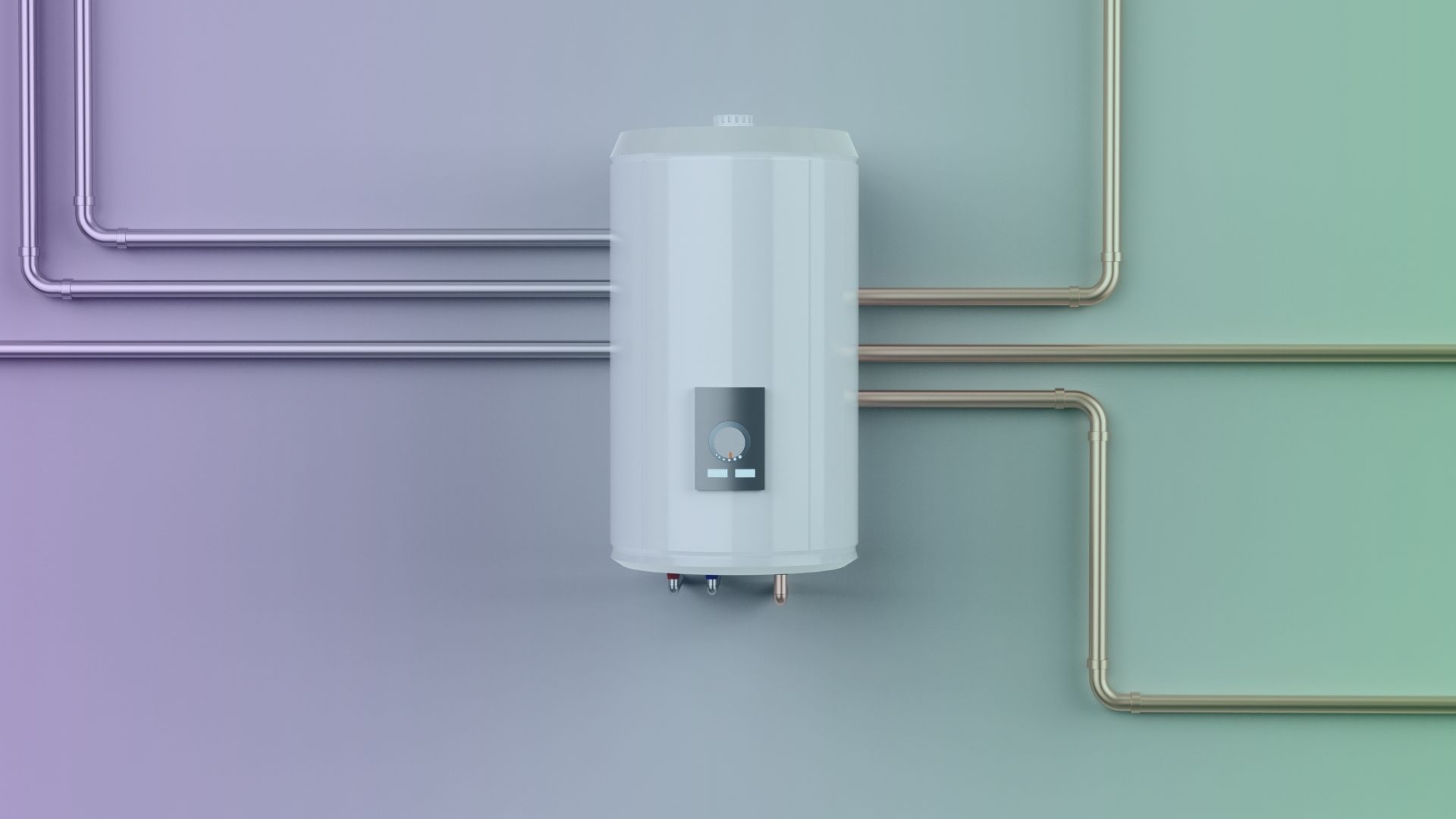
Your water heater is one of the unsung heroes of your home. It provides the comfort of a hot shower, the cleaning power for your dishes, and the sanitizing warmth for your laundry. We often take it for granted until something goes wrong. Understanding the basics of your water heater, how to tell if it's working correctly, and recognizing the signs of trouble can save you from cold showers and costly emergencies.
This guide will walk you through the key indicators of a healthy water heater. We'll also cover the common red flags that signal it's time for a professional check-up.
How to Know Your Water Heater is Working Well
A properly functioning water heater should operate quietly in the background, reliably doing its job. Here are the main signs that your unit is in great shape.
Consistent Hot Water Supply
The most obvious sign of a healthy water heater is its ability to deliver a steady, consistent supply of hot water. When you turn on the tap, the water should heat up in a reasonable amount of time and maintain its temperature. You shouldn't experience sudden drops to lukewarm or cold water, especially if your usage habits haven't changed.
Quiet Operation
While no water heater is completely silent, a well-functioning unit should be relatively quiet. You might hear a gentle humming or the sound of the burner igniting in a gas model. These low-level operational sounds are normal. The key is that you shouldn't hear loud, disruptive, or sudden new noises coming from the tank.
Clean and Clear Water
The water coming from your hot water taps should be just as clear as the water from your cold water taps. If you fill a glass with hot water and it’s free of discoloration, rust particles, or a cloudy appearance, it’s a good sign that the inside of your tank is in good condition and free from significant sediment buildup or corrosion.
No Visible Leaks or Moisture
Take a moment to inspect the area around your water heater. A healthy unit will be completely dry. There should be no puddles of water on the floor, no drips coming from the tank itself, and no signs of moisture on the fittings or pipes connected to it. Even a small amount of water can indicate a potential problem.
Reasonable Energy Bills
While your utility bills can fluctuate with the seasons, your water heating costs should remain relatively stable. If your energy consumption hasn't spiked unexpectedly, it suggests your water heater is operating efficiently. An efficient unit heats water without wasting excess gas or electricity, keeping your bills in check.
Common Signs of Water Heater Issues
Recognizing the early warning signs of a failing water heater can help you address problems before they escalate into a major flood or a complete loss of hot water. Be on the lookout for these red flags.
Fluctuating Water Temperatures
One of the first signs of trouble is inconsistent water temperature. If your shower goes from hot to cold and back again, it could point to a few issues. A failing heating element in an electric model or a faulty dip tube in any model can cause this problem. Sediment buildup at the bottom of the tank can also interfere with the heating process.
Unusual Noises
Loud and unusual sounds are a clear signal that something is wrong. Pay attention to these specific noises:
● Popping or Banging: This is often caused by sediment that has hardened at the bottom of the tank. Water gets trapped under the sediment, and as it heats and turns to steam, it forces its way out, creating a popping sound.
● Rumbling: A low rumble can also be a sign of sediment buildup or the burner struggling to operate correctly.
● Sizzling: If you hear a sizzling sound, it could mean water is dripping from a leak onto the hot burner assembly. This requires immediate attention.
Leaks and Drips
Any sign of water around your water heater is a cause for concern. Leaks can come from several places:
● Pressure Relief Valve: The T&P (temperature and pressure) valve may leak if the pressure inside the tank is too high.
● Pipe Fittings: Connections at the top or bottom of the tank can become loose or corroded over time.
● The Tank Itself: A leak from the tank body is often a sign of internal corrosion and usually means the unit needs to be replaced.
Discolored or Smelly Water
If your hot water appears rusty, cloudy, or has a metallic smell, it's a strong indicator of corrosion inside your tank. The anode rod, which is designed to prevent rust, may have depleted. If neglected, the tank itself will start to rust from the inside out, eventually leading to a leak. A "rotten egg" smell often points to bacteria in the tank, which can also be addressed by a professional.
It's Just Old
The average lifespan for a conventional tank water heater is about 8 to 12 years. If your unit is approaching or has surpassed this age, it's more likely to experience problems and operate less efficiently. You can usually find the manufacturing date on the manufacturer's sticker on the side of the tank.
Your Partner for Hot Water Peace of Mind
Your water heater is essential for your daily comfort and routine. Keeping an eye on its performance helps ensure you have the hot water you need, when you need it.
If you've noticed any of the warning signs discussed here, or if you simply have questions about your system, don't hesitate to reach out. At Adam's Air Systems, our experienced and reliable technicians are ready to help with any of your water heater needs. From expert repairs to professional installations of new, high-efficiency models, we are here to provide the solutions you need. Contact Adam’s Air Systems today to ensure your hot water keeps flowing perfectly.