How to Choose a New Furnace

Adam's Air Systems • November 23, 2017


Winter is on the way in Southern Ontario, and if you are thinking about a new heating system for your home, now is the time to replace that old one. Don't wait until your furnace won't warm your home to start thinking about getting a new heating system. While being comfortable is important, you should also consider energy efficiency and cost as priorities as well.


Check Out These 5 Types Of Furnaces:


Single-Stage
Single Stage Furnaces have one fan spee, and are available with an AFUE (Annual Fuel Utilization Efficiency) of both 80% and 95%. These furnaces operate at 100% BTU Capacity at all times. These are the most common furnaces, but generally the least efficient and loudestinn terms of operation.


Two-Stage Furnace
Two-stage furnaces have two fan-speed, and are available with an AFUE of both 80% and 92% (or greater). These furnaces operate at 60% BTU Capacity, and progress to 100% as necessary. Two-stage furnaces provide a more uniform heat distribution and are generally a bit quieter than single-stage furnaces.


Two-Stage Variable Speed Furnace
Two-Stage Variable Speed Furnaces are available with an AFUE of both 80% and 95% (or greater). These furnaces operate at 60% BTU Capacity, and progress to 100% as necessary via avariable-speedd motor. Two-Stage Variable Speed Furnaces are much quieter than Single Stage or Two Stage Furnaces. When additional equipment is added to a furnace, 2 Stage Variable Speed Furnaces are the recommended choices for 2 and3-storyy homes, and furnaces that also include Air Purification Systems or Heat Pumps.


Three-Stage Variable Speed Furnace
Three Stage Variable Speed Furnaces are available with an AFUE of both 80% and 95% (or greater). These furnaces operate at 60% BTU Capacity, and progress to 100% as necessary via avariable-speedd motor. Three-Stage Variable Speed Furnaces are much quieter than Single Stage or Two Stage Furnaces. When additional equipment is added to a furnace, Three-Stage Variable Speed Furnaces are the recommended choices for maximum efficiency in 2 and3-storyy homes, and furnaces that also include Air Purification Systems or Heat Pumps.


Modulating Variable Speed Furnace
Modulating Variable Speed Furnaces are the very best furnace available in terms of operating efficiency, even distribution of heat, quiet operation, and comfort level. This type of furnace is also the preferred choice when additional equipment of any type is added to the furnace heating system. The range of AFUE levels varies from 80% to 98%.


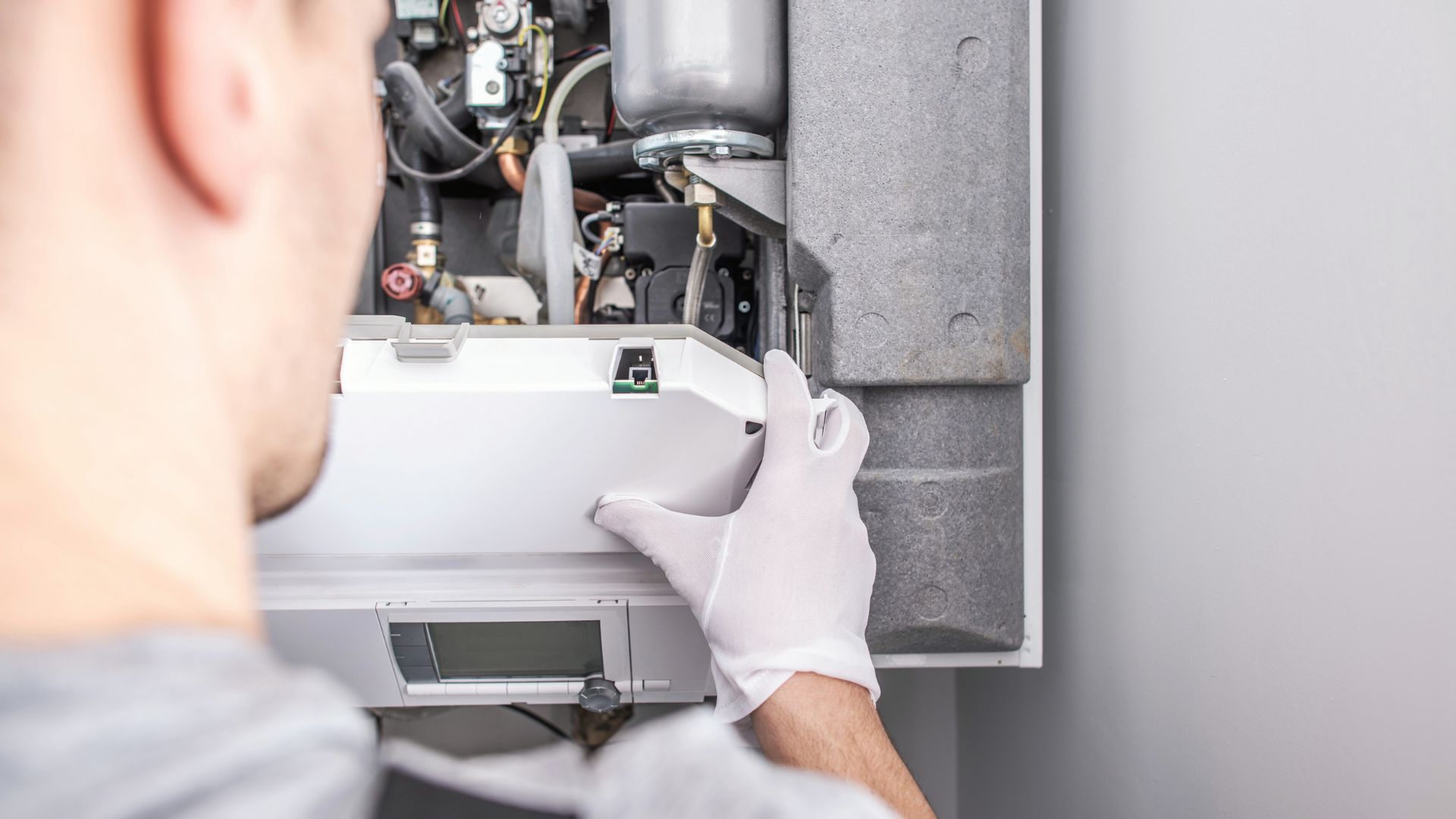
Besides AFUE standards, one very important thing to consider when purchasing a furnace is your family’s safety. Many problems can arise from faulty furnace parts and deterioration over time, so finding the highest quality furnace, to begin with, can save you time, money, and the headaches of worrying about it breaking down or malfunctioning at an inopportune time.

Your first step is to have a reputable company come in to tune up your furnace, assess its condition, and determine its efficiency. If you live in Hamilton, Niagara, or the GTA - that’s us! Looking at some of your old bills from last winter is the perfect way to calculate how much you can save with a new unit.

When replacing your furnace, don't forget about the other important factors in your home system. If the air ducts are leaky, your insulation is minimal, and the weather-stripping around doors and windows is letting all that warm air leak out, your nice new furnace won't deliver the energy savings you had hoped for.

When it comes to conditioning your home, Adam’s Air Syst ems has the knowledge and resources to deliver comfort and safety in a home heating system. From small homes to large ones, we have become a trusted name throughout Hamilton, Niagara, and the GTA. We also sell and service humidifiers, air cleaners, and temperature controls. Our licensed HVAC contractors have been ensuring homeowners comfort and peace of mind since 2006. With great rates and low monthly payments, schedule your furnace check-up now. Call today for your free quote!


December 22, 2025
Winter nights are supposed to be cozy. You imagine curling up under a blanket, perhaps with a hot drink, while your home stays toasty warm. But that idyll shatters quickly when you hear a strange clunking from the basement or realize you’re wearing three sweaters just to watch TV comfortably. Furnaces are the workhorses of our homes, often running for months on end without complaint. However, like any mechanical system, they have a lifespan. There comes a moment when throwing money at repairs stops being a smart investment and starts becoming a drain on your wallet. The 15-Year Rule: Knowing the Average Lifespan Most heating experts agree that the average lifespan of a well-maintained furnace falls between 15 and 20 years. If your unit is approaching—or has passed—its 15th birthday, you are officially in the "repair vs. replace" danger zone. Think of your furnace like a car. You wouldn't sink thousands of dollars into a transmission repair for a car with 300,000 miles on it. The same logic applies here. Even if a technician can fix the immediate issue, the internal components are likely worn down. Check the manufacture date on your unit. If it's old enough to drive a car, it's old enough to be replaced. At Adam’s Air Systems, we often see homeowners struggling to keep 20-year-old units alive, unaware that modern systems could save them significant money and stress. Your Energy Bills Are Skyrocketing Have you noticed your utility bills creeping up, even though usage habits haven't changed? Energy prices fluctuate, but a steady, unexplained rise in heating costs is often a red flag. As furnaces age, they lose efficiency. Parts wear out, motors have to work harder, and the system must run longer to maintain the same temperature. An old furnace might run at 60% or 70% efficiency (AFUE), meaning 30-40 cents of every dollar you spend on heating is simply going up the flue pipe. Newer models, particularly high-efficiency ones, can operate at upwards of 95% AFUE. The difference in monthly costs can be staggering. While the upfront cost of a new unit is significant, the monthly savings on your utility bill start paying you back immediately. Repairs Are Becoming a Frequent Headache One repair every few years is normal maintenance. But if you find yourself on a first-name basis with your repair technician because they are at your house every other month, you have a problem. We recommend the "50% Rule." If the cost of a repair approaches 50% of the value of a new system, you should replace it. Similarly, if you have spent money on multiple smaller repairs over the last two years that add up to a significant chunk of change, stop the bleeding. Consider the stress factor as well. Frequent breakdowns mean you can’t trust your system. Will it fail on Christmas Eve? Will it quit during the coldest night of the year? Reliability has a value all its own. Uneven Heating and Cold Spots Walk through your house. Is the living room a sauna while the upstairs bedroom feels like an icebox? Uneven heating is a classic symptom of an aging furnace struggling to distribute air properly. This can be caused by a failing blower motor, compromised ductwork, or simply a system that no longer has the power to push air through the entire home efficiently. Homeowners often try to compensate by cranking the thermostat up, which only strains the dying system further and spikes energy bills. Modern systems provided by teams like Adam’s Air Systems are designed with better airflow management and variable speed motors that ensure consistent comfort in every corner of your home. The Sounds of Silence Are Gone A furnace should run relatively quietly. You should hear the gentle whoosh of air and the click of the thermostat, but that’s about it. If your furnace has started making new, frightening noises, it’s crying out for help. ● Banging or popping: often indicates delayed ignition or expanding/contracting metal due to cracks. ● Squealing or screeching: usually points to belt or motor bearing failures. ● Rattling: can mean loose components or a cracked heat exchanger. These aren't just annoyances; they are warnings of mechanical failure. Ignoring them can lead to a total system breakdown, often at the most inconvenient time possible. Visible Signs of Rust or Corrosion Take a look at the furnace itself. Do you see rust flakes on the floor around it? Is the vent pipe corroded? Moisture is a byproduct of combustion, and over time, it can eat away at your system. Rust on the outside often implies rust on the inside. If vital components like the heat exchanger crack or rust through, you face a serious safety hazard. A cracked heat exchanger can leak carbon monoxide—a colorless, odorless, and deadly gas—into your home. If you spot rust or cracks, call a professional immediately. This moves the conversation from "efficiency and cost" to "health and safety." Your Home Feel Drier or Dustier Old furnaces often lack the ability to humidify the air properly, leading to stale, dry air in the winter. This can aggravate allergies, cause dry skin, and make the air feel colder than the thermostat suggests. Furthermore, an aging system may struggle to filter out dust, pollen, and dander. If you notice a rapid accumulation of dust on your furniture right after cleaning, or if your family is sneezing more often, your furnace might be the culprit. Modern units often come with advanced filtration options and humidity control to improve indoor air quality significantly. The Flame Is Yellow Instead of Blue This is a specific but crucial check for gas furnaces. The pilot light or burner flame should always be a crisp blue. A yellow or flickering flame indicates incomplete combustion. Incomplete combustion means the fuel isn't burning off correctly, which can produce carbon monoxide. While a yellow flame might just mean a dirty burner, on an old system, it’s often a sign that the unit is no longer safe to operate. If you see yellow, turn it off and call for help. Why Replacing Now is Better Than Waiting Procrastination is the enemy of home maintenance. Waiting until your furnace dies completely—usually in the dead of winter—forces you into a "panic buy." When you are freezing, you don't have time to research models, compare efficiency ratings, or look for rebates. You just want heat, and you’ll take whatever is available quickly. Planning your replacement allows you to: 1. Shop for rebates and tax incentives: Many high-efficiency units qualify for significant government or utility rebates. 2. Choose the right size: A professional assessment ensures you get a unit perfectly sized for your home’s square footage and insulation levels. 3. Schedule conveniently: Installation takes time. Scheduling it before the emergency happens means you won't have to take emergency time off work. Trust the Professionals for an Assessment Deciding to retire a major appliance is a big decision. You don't have to make it alone using guesswork. If you’ve nodded along to several of the signs listed above—rising bills, strange noises, uneven heat, or just plain old age—it’s time for a professional opinion. A qualified technician can inspect your heat exchanger, measure efficiency levels, and give you an honest appraisal of your system's remaining life. At Adam's Air Systems, we pride ourselves on transparency. We won't push a new system if a simple repair will genuinely give you another few years of reliable service. However, if safety or cost-efficiency dictates a replacement, we will guide you toward the best option for your home and budget. Your furnace has served you well, but nothing lasts forever. Holding onto a failing system isn't saving you money; it's costing you comfort, peace of mind, and monthly cash. By recognizing the signs early—whether it’s the age of the unit, the climbing energy bills, or the ominous rattling noises—you can take control of your home comfort. Don't wait for the heat to go out on the coldest night of the year. Be proactive about your heating needs. Is your furnace showing its age? Stop guessing and start saving. Contact Adam's Air Systems today for a comprehensive inspection. Our team will help you evaluate whether a repair is feasible or if it's time to upgrade to a modern, high-efficiency system. Keep your family warm, safe, and comfortable this winter. Call us now to schedule your appointment!

By Adam's Air Systems November 30, 2025
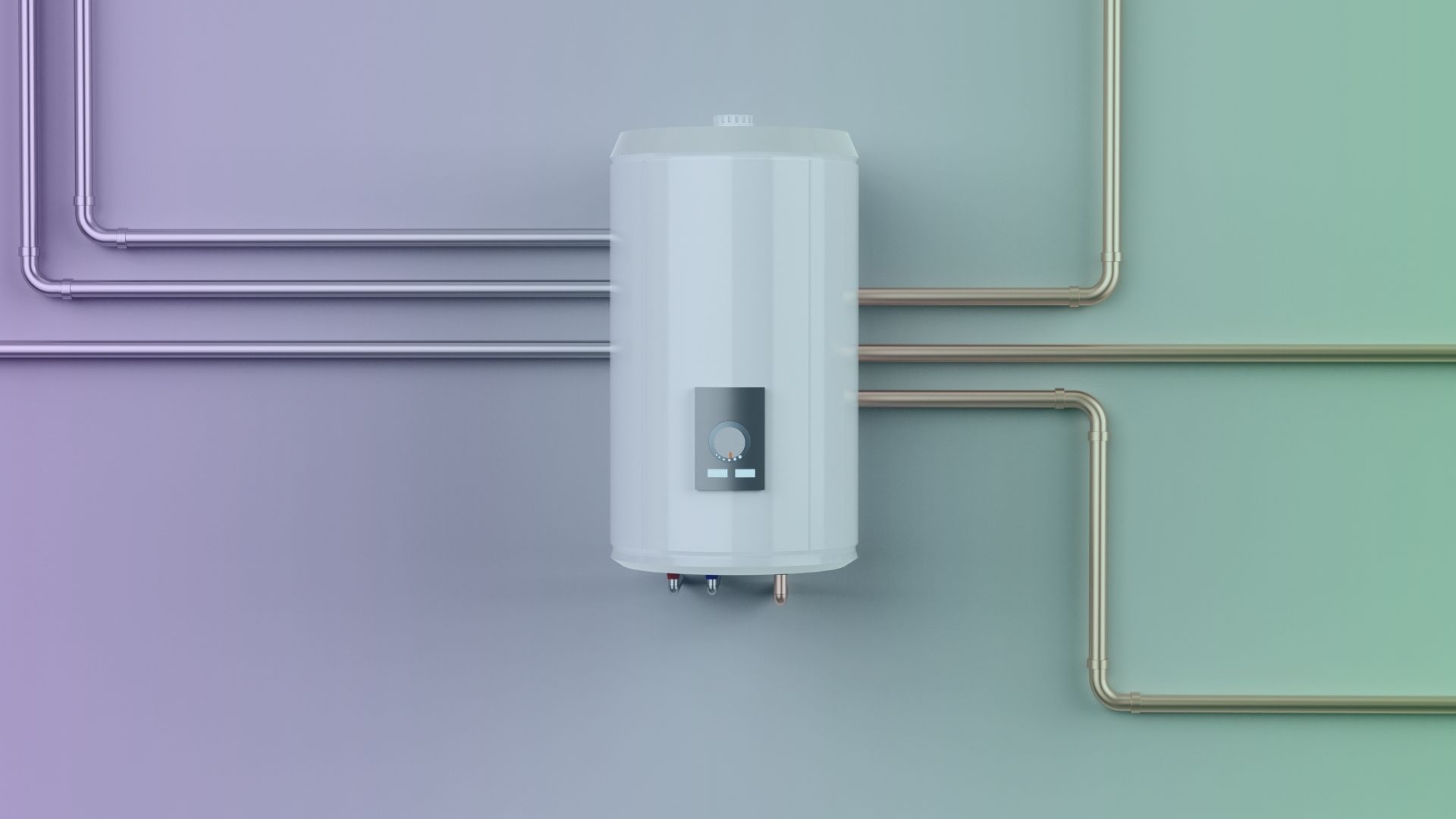
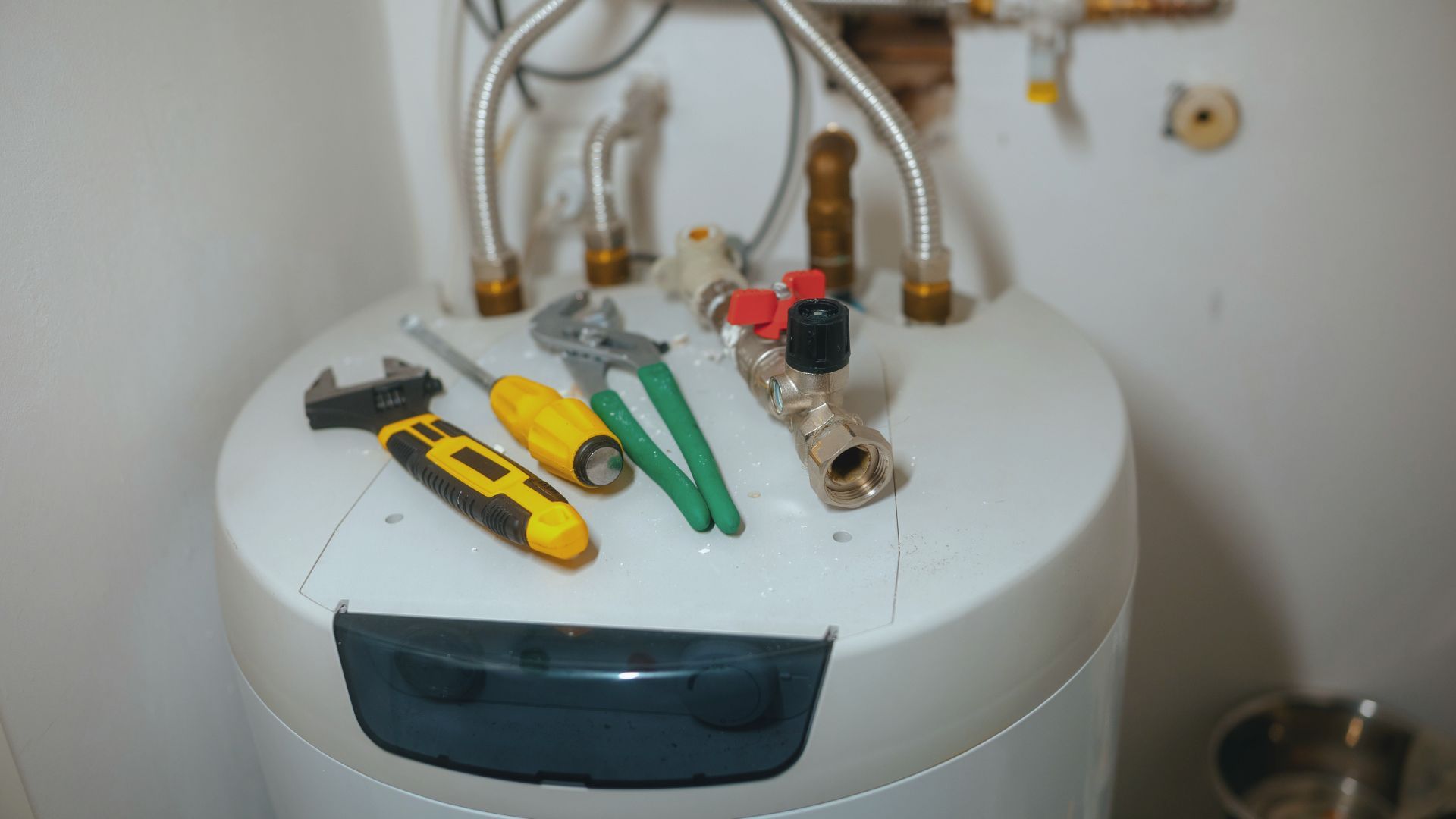
Your water heater is one of the unsung heroes of your home. It provides the comfort of a hot shower, the cleaning power for your dishes, and the sanitizing warmth for your laundry. We often take it for granted until something goes wrong. Understanding the basics of your water heater, how to tell if it's working correctly, and recognizing the signs of trouble can save you from cold showers and costly emergencies. This guide will walk you through the key indicators of a healthy water heater. We'll also cover the common red flags that signal it's time for a professional check-up. How to Know Your Water Heater is Working Well A properly functioning water heater should operate quietly in the background, reliably doing its job. Here are the main signs that your unit is in great shape. Consistent Hot Water Supply The most obvious sign of a healthy water heater is its ability to deliver a steady, consistent supply of hot water. When you turn on the tap, the water should heat up in a reasonable amount of time and maintain its temperature. You shouldn't experience sudden drops to lukewarm or cold water, especially if your usage habits haven't changed. Quiet Operation While no water heater is completely silent, a well-functioning unit should be relatively quiet. You might hear a gentle humming or the sound of the burner igniting in a gas model. These low-level operational sounds are normal. The key is that you shouldn't hear loud, disruptive, or sudden new noises coming from the tank. Clean and Clear Water The water coming from your hot water taps should be just as clear as the water from your cold water taps. If you fill a glass with hot water and it’s free of discoloration, rust particles, or a cloudy appearance, it’s a good sign that the inside of your tank is in good condition and free from significant sediment buildup or corrosion. No Visible Leaks or Moisture Take a moment to inspect the area around your water heater. A healthy unit will be completely dry. There should be no puddles of water on the floor, no drips coming from the tank itself, and no signs of moisture on the fittings or pipes connected to it. Even a small amount of water can indicate a potential problem. Reasonable Energy Bills While your utility bills can fluctuate with the seasons, your water heating costs should remain relatively stable. If your energy consumption hasn't spiked unexpectedly, it suggests your water heater is operating efficiently. An efficient unit heats water without wasting excess gas or electricity, keeping your bills in check. Common Signs of Water Heater Issues Recognizing the early warning signs of a failing water heater can help you address problems before they escalate into a major flood or a complete loss of hot water. Be on the lookout for these red flags. Fluctuating Water Temperatures One of the first signs of trouble is inconsistent water temperature. If your shower goes from hot to cold and back again, it could point to a few issues. A failing heating element in an electric model or a faulty dip tube in any model can cause this problem. Sediment buildup at the bottom of the tank can also interfere with the heating process. Unusual Noises Loud and unusual sounds are a clear signal that something is wrong. Pay attention to these specific noises: ● Popping or Banging: This is often caused by sediment that has hardened at the bottom of the tank. Water gets trapped under the sediment, and as it heats and turns to steam, it forces its way out, creating a popping sound. ● Rumbling: A low rumble can also be a sign of sediment buildup or the burner struggling to operate correctly. ● Sizzling: If you hear a sizzling sound, it could mean water is dripping from a leak onto the hot burner assembly. This requires immediate attention. Leaks and Drips Any sign of water around your water heater is a cause for concern. Leaks can come from several places: ● Pressure Relief Valve: The T&P (temperature and pressure) valve may leak if the pressure inside the tank is too high. ● Pipe Fittings: Connections at the top or bottom of the tank can become loose or corroded over time. ● The Tank Itself: A leak from the tank body is often a sign of internal corrosion and usually means the unit needs to be replaced. Discolored or Smelly Water If your hot water appears rusty, cloudy, or has a metallic smell, it's a strong indicator of corrosion inside your tank. The anode rod, which is designed to prevent rust, may have depleted. If neglected, the tank itself will start to rust from the inside out, eventually leading to a leak. A "rotten egg" smell often points to bacteria in the tank, which can also be addressed by a professional. It's Just Old The average lifespan for a conventional tank water heater is about 8 to 12 years. If your unit is approaching or has surpassed this age, it's more likely to experience problems and operate less efficiently. You can usually find the manufacturing date on the manufacturer's sticker on the side of the tank.  Your Partner for Hot Water Peace of Mind Your water heater is essential for your daily comfort and routine. Keeping an eye on its performance helps ensure you have the hot water you need, when you need it. If you've noticed any of the warning signs discussed here, or if you simply have questions about your system, don't hesitate to reach out. At Adam's Air Systems, our experienced and reliable technicians are ready to help with any of your water heater needs. From expert repairs to professional installations of new, high-efficiency models, we are here to provide the solutions you need. Contact Adam’s Air Systems today to ensure your hot water keeps flowing perfectly.
By Adam's Air Systems October 29, 2025
As the leaves change color and a chill enters the air, our thoughts turn to cozy sweaters and warm drinks. But is your home’s heating system ready for the dropping temperatures? That first cold night is the worst time to discover your furnace isn't working. Preparing your HVAC system for winter is one of the most important tasks for any homeowner. It ensures your family stays warm, safe, and comfortable through the coldest months. Proper preparation goes beyond just flipping a switch. It involves key maintenance steps that improve efficiency, lower your energy bills, and prevent costly, inconvenient breakdowns. This guide will walk you through the essential steps to get your HVAC system in top shape for winter and explain why professional help is your best investment. Why Winter HVAC Maintenance is Crucial Ignoring your heating system until you need it is a gamble. A neglected furnace can be inefficient, unreliable, or even unsafe. Here are the key benefits of scheduling a pre-season tune-up. Improve Energy Efficiency An HVAC system that has been cleaned and inspected runs more smoothly. Over the summer, dust and debris can build up on internal components, forcing the system to work harder to generate heat. A professional technician will clean parts like the blower motor, inspect electrical connections, and ensure all components are functioning correctly. This simple tune-up can significantly boost your system's efficiency, meaning it uses less fuel or electricity to produce the same amount of heat. Lower Your Energy Bills Improved efficiency translates directly to savings. When your heating system operates at peak performance, it consumes less energy. According to the Department of Energy, regular HVAC maintenance can reduce your heating costs by up to 15%. Those savings add up quickly over a long winter, often covering the cost of the maintenance visit itself. Prevent Unexpected Breakdowns There is no good time for your furnace to break down, but a failure during a blizzard or on a holiday weekend is especially stressful. Most major repairs are the result of small, unaddressed issues that worsen over time. During a maintenance check, a technician can spot worn-out belts, failing ignition systems, or cracked heat exchangers before they lead to a complete system failure. This proactive approach saves you from emergency repair costs and the discomfort of a freezing home. Enhance Safety and Air Quality Your furnace is a complex piece of equipment that burns fuel to create heat. A critical part of any inspection is checking the heat exchanger for cracks or leaks. A compromised heat exchanger can leak carbon monoxide—a colorless, odorless, and potentially fatal gas—into your home. Technicians also check for proper ventilation and clean or replace filters, which improves your home’s indoor air quality by trapping dust, allergens, and other pollutants. DIY Winter Prep Checklist While a professional inspection is essential, there are a few simple tasks you can do yourself to help your system run efficiently. 1. Replace Your Air Filter This is the easiest and one of the most effective steps you can take. A clogged air filter restricts airflow, forcing your furnace to work harder and driving up energy costs. Check your filter monthly and replace it at least every three months. If you have pets or allergies, you may need to replace it more frequently. 2. Clear the Area Around Your Furnace Your furnace needs space to breathe. Make sure the area around the unit is clear of boxes, furniture, and any flammable materials. For outdoor heat pump units, ensure there are at least two feet of clearance around the entire unit. Remove any leaves, branches, or debris that may have accumulated over the summer and fall. 3. Test Your Thermostat Before the first cold snap, turn your thermostat to "heat" and set the temperature a few degrees higher than the current room temperature. You should hear the system kick on within a minute or two. If it doesn’t, or if it makes unusual noises, you may have an issue that requires professional attention. Consider upgrading to a programmable or smart thermostat to automatically lower the temperature when you're away or asleep, which can save you up to 10% on your heating bills. When to Call a Professional DIY tasks are helpful, but they can't replace a comprehensive professional tune-up. An HVAC technician has the tools and expertise to perform a detailed inspection and cleaning that ensures your system is safe and ready for the demands of winter. A professional service call should include: ● Inspecting and cleaning all internal components. ● Checking electrical connections and testing voltage. ● Inspecting the heat exchanger for cracks. ● Checking and cleaning the burner and flame sensor. ● Testing the system’s safety controls. ● Measuring carbon monoxide levels. Trust Adam's Air Systems for Your Winter Prep Don't wait for a breakdown to think about your furnace. Be proactive and ensure your home is ready for whatever winter brings. For homeowners who want peace of mind, Adam's Air Systems is the trusted local expert for all your HVAC needs. Our certified technicians provide thorough maintenance services to get your system running at peak efficiency. If an issue is discovered, we have the experience to handle repairs of any size, from minor fixes to complete system replacements. We also offer comprehensive maintenance plans that make seasonal tune-ups simple and affordable, giving you one less thing to worry about. Protect your investment and keep your family warm this winter. Ready to schedule your winter HVAC tune-up? Contact Adam's Air Systems today to book your appointment and ensure a cozy, worry-free season!
By Adam's Air Systems September 30, 2025
Your home’s heating, ventilation, and air conditioning (HVAC) system works tirelessly behind the scenes to keep you comfortable. But for it to work efficiently and maintain healthy indoor air, it needs regular care. One of the most crucial, yet often overlooked, maintenance tasks is changing the air filter. A clean filter is the key to a happy HVAC system, better air quality, and lower energy bills. This guide will walk you through everything you need to know about your HVAC filter. We'll cover how often to change it, the factors that influence this schedule, and the benefits you'll gain. We will also explain why partnering with a professional service like Adam's Air Systems can make all the difference. Why Your HVAC Filter Matters So Much Before we discuss schedules, let's understand the filter's job. Its primary function is to trap airborne particles like dust, pollen, pet dander, and other debris. This prevents these contaminants from circulating through your home and from clogging the sensitive internal components of your HVAC unit. When a filter becomes clogged, it forces the system to work harder to pull air through. This strain leads to several problems: ● Reduced Efficiency: A struggling system uses more energy to heat or cool your home, leading to higher utility bills. ● Poor Air Quality: A dirty filter can no longer effectively trap particles, allowing them to recirculate in the air you breathe. It can even become a breeding ground for mold and bacteria. ● System Damage: Over time, the increased strain can cause expensive components to overheat and fail, leading to costly repairs or even a full system replacement. How Often Should You Change Your HVAC Filter? There isn't a single answer that fits every home. The ideal frequency for changing your filter depends on several factors. However, here is a general guideline to get you started. General Recommendations ● Basic Fiberglass Filters (1-inch): These are the most common and least expensive filters. They should typically be changed every 30 days. ● Pleated Filters (1-inch): These offer better filtration and can last longer, usually between 60 and 90 days. ● High-Efficiency Filters (4-5 inches thick): These thicker, boxier filters have more surface area to trap particles and can last from 6 to 12 months. These are just starting points. You may need to change your filter more or less often based on your specific living situation. Factors That Affect Filter Lifespan To determine the right schedule for your home, consider these key factors: 1. Household Occupants and Pets The more people and pets in your home, the more dust, hair, and dander will be present in the air. ● Homes with Pets: Pet dander and fur can clog a filter quickly. If you have one or more furry friends, plan to change your filter every 30 to 60 days, regardless of its type. ● Allergies or Asthma: If anyone in your household suffers from allergies or respiratory issues, changing the filter more frequently (every 30-45 days) can significantly improve indoor air quality and reduce symptoms. 2. Your Home's Environment The location and condition of your home play a significant role. ● Urban or Dusty Areas: Homes near construction sites, on dirt roads, or in areas with high pollen counts will need more frequent filter changes. ● Smokers in the House: Tobacco smoke contains particles that will quickly clog a filter. If someone smokes indoors, you should change your filter monthly. 3. System Usage How often you run your HVAC system is a major factor. During peak heating and cooling seasons (summer and winter), your system runs constantly, pulling more air and particles through the filter. You will likely need to change it more often during these months compared to the milder spring and fall. What About Heat Pumps? Heat pumps work by transferring heat, providing both heating and cooling from a single unit. Because they often run year-round, their filters can get dirty faster than a standard furnace or air conditioner. The same rules apply: check your heat pump's filter monthly and replace it according to the manufacturer's recommendations and the specific conditions in your home. Regular filter changes are vital for maintaining a heat pump's efficiency. Signs It's Time for a Change Not sure if your filter is ready for replacement? Here are a few tell-tale signs: ● Visible Dirt: The most obvious sign is a filter caked with a thick layer of dust and grime. If it looks gray and clogged, it's time for a new one. A clean filter is typically white or off-white. ● Reduced Airflow: Do you notice less air coming from your vents? A clogged filter is a common culprit. ● Increased Dust: If you find yourself dusting furniture more often, your filter may no longer be doing its job. ● Higher Energy Bills: An unexplained spike in your utility costs could mean your HVAC system is working overtime due to a dirty filter. ● System Overheating: In extreme cases, a blocked filter can cause your system to overheat and shut down automatically. A simple practice is to visually inspect your filter every month. This will help you learn its "rhythm" and establish a replacement schedule that works for you. The Benefits of Timely Filter Changes Staying on top of this simple task offers significant rewards: ● Lower Energy Costs: A clean filter allows for optimal airflow, enabling your system to run at peak efficiency and reducing energy consumption by up to 15%. ● Improved Indoor Air Quality: You and your family will breathe cleaner, healthier air with fewer allergens and pollutants. ● Extended HVAC Lifespan: Reducing strain on your system helps prevent premature wear and tear, saving you from expensive repairs and prolonging the life of your unit. ● Greater Home Comfort: An efficient system can better maintain a consistent and comfortable temperature throughout your home. Trust the Experts at Adam's Air Systems While changing a filter is a task most homeowners can handle, it's just one piece of the HVAC maintenance puzzle. For comprehensive care and peace of mind, it’s best to partner with a professional. At Adam's Air Systems, we understand the critical role of proper maintenance. Our experienced technicians can help you select the right type of filter for your system and home environment. During a routine maintenance visit, we do more than just swap out the filter. We perform a thorough inspection of your entire HVAC system, cleaning essential components, checking refrigerant levels, and identifying potential issues before they become major problems. Our team has the expertise to service all types of systems, including furnaces, air conditioners, and heat pumps. We are committed to helping you maximize your system's efficiency, improve your home's air quality, and ensure your comfort all year long. Don't let a simple filter compromise your comfort or your budget. Set a reminder to check it monthly, and for complete system care, schedule a professional maintenance check-up with Adam's Air Systems today.
Hand wiping condensation from a windowpane with a white cloth, outdoors.
By Adam's Air Systems August 26, 2025
How to Regulate the Humidity in Your Home
Two air conditioners are sitting in front of a house.
By Adam's Air Systems July 22, 2025
Is a Heat Pump Good for Air Conditioning? Here’s What You Need to Know
A man is working on an air conditioner in a backyard.
By Adam's Air Systems June 10, 2025
Heat Pump Maintenance Tips
A man is fixing a water heater on a wall.
By Adam's Air Systems May 20, 2025
Why is My Water Heater Leaking?
A man is sitting in front of a radiator holding a light bulb.
By Adam's Air Systems April 15, 2025
HVAC Troubleshooting Tips for Homeowners
A white fan is sitting on the side of a building
By Adam's Air Systems March 18, 2025
The Pros and Cons of keeping the HVAC fan running